
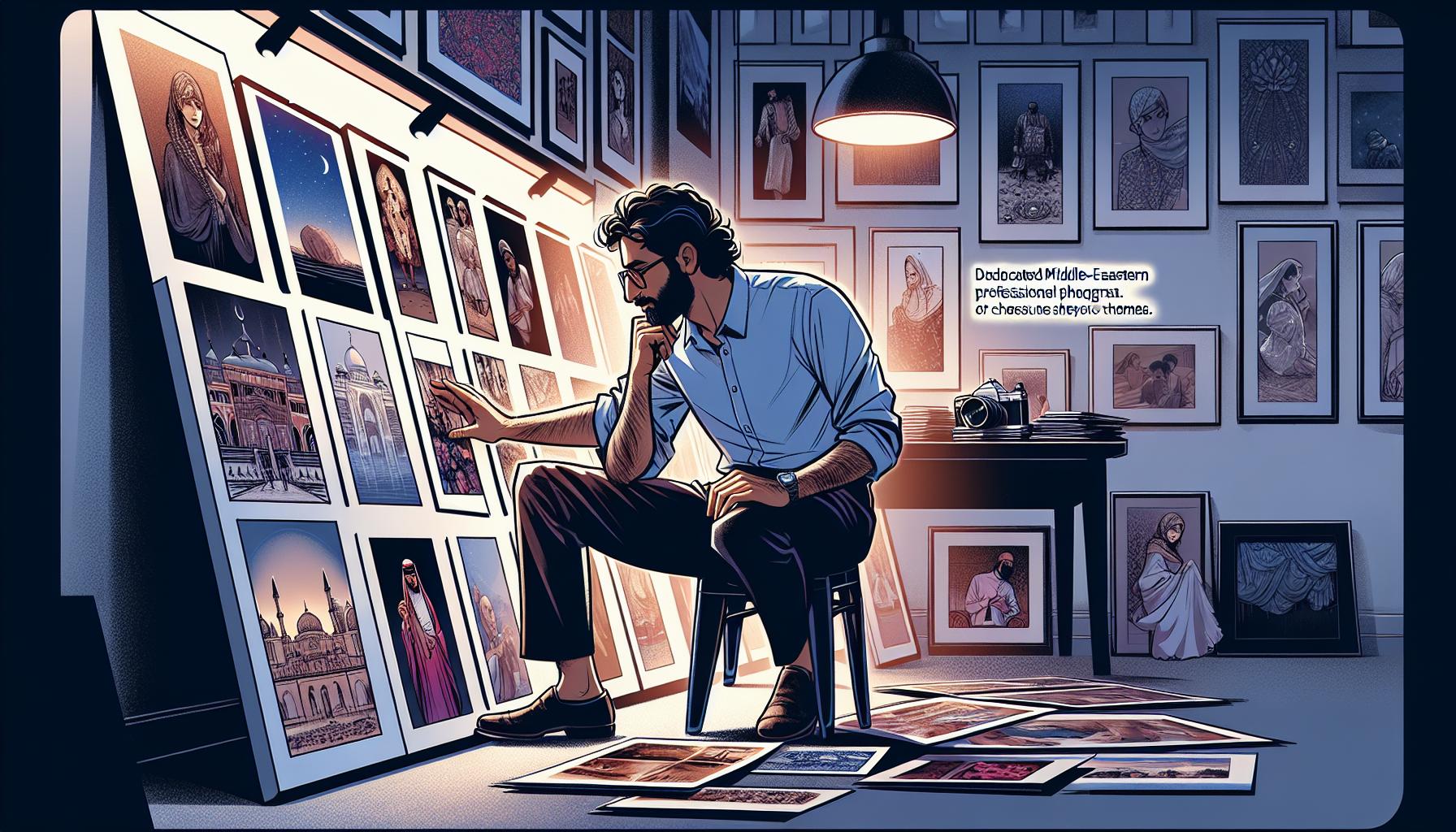
Looking to purchase stunning photos for your project or personal collection? Buying directly from photographers can be an excellent way to acquire unique, high-quality images. But navigating the world of photography sales can be daunting if you’re new to it.
Whether you’re a business owner seeking visuals for your website, an art collector, or simply someone who appreciates beautiful imagery, knowing how to approach photographers and make informed decisions is crucial. With the right tips and strategies, you’ll be well-equipped to find and purchase the perfect photos that meet your needs and budget.
In this guide, we’ll explore essential tips for buying photos from photographers, helping you understand the process, negotiate effectively, and ensure you’re getting the best value for your investment.
Key Takeaways
- Understand the photography market by immersing yourself in photography culture and defining your purchasing goals
- Evaluate image quality by inspecting focus, clarity, and composition before making a purchase
- Consider the photographer’s reputation, style, and approach to limited or open editions when buying photos
- Factor in pricing elements and establish a realistic budget that aligns with your goals and financial capabilities
- Make your final decision based on personal connection to the image and its intended display location
Understanding the Photography Market
To successfully buy photos from photographers, it’s crucial to have a solid grasp of the photography market. This knowledge will help you make informed decisions and find the best images for your needs.
Get Immersed in Photography Culture
Immerse yourself in the world of photography to gain valuable insights into current trends, styles and techniques. Follow popular photography blogs, attend exhibitions and join online communities dedicated to photography. This exposure will help you develop an eye for quality images and understand what makes certain photographs stand out. By engaging with the photography community, you’ll also learn about emerging talents and established professionals whose work might align with your preferences.
Define Your Purchasing Goals
Before you start buying photos, it’s essential to clearly define your goals. Ask yourself why you want to buy photos and how you plan to use them. Are you looking for images to decorate your home or office? Do you need high-quality visuals for your business website or marketing materials? Perhaps you’re starting an art collection focused on photography. By clarifying your objectives, you’ll be better equipped to communicate your needs to photographers and make more targeted purchases.
Consider factors such as:
- The intended use of the photos (personal, commercial, editorial)
- The style and subject matter you’re interested in
- The quantity of images you need
- Your budget constraints
Having a clear understanding of your goals will help you navigate the photography market more effectively and avoid impulse purchases that may not serve your needs in the long run.
Evaluating Image Quality
When buying photos from photographers it’s crucial to assess the quality of the images you’re considering. Here’s how you can evaluate image quality effectively:
Inspect for Focus and Clarity
When you buy photos ensure they’re sharp and well-focused. Examine the main subject and key details for crispness. Look closely at edges and textures to confirm the image isn’t blurry or soft. High-quality photos should maintain clarity even when zoomed in especially if you plan to use them for large prints or displays.
Look for Distractions
Scan the entire image for any elements that might detract from the main subject. Check for unwanted objects in the background clutter or distracting light sources. A well-composed photograph should guide your eye to the intended focal point without unnecessary diversions. If you’re using stock photo sites like Shutterstock (where you might find a Shutterstock discount) pay extra attention to this aspect as not all images are professionally curated.
Assess Print Quality and Craftsmanship
If you’re purchasing physical prints evaluate the overall craftsmanship. Check the paper quality color accuracy and consistency across the print. Look for any signs of pixelation banding or color shifts which can indicate poor printing techniques or low-resolution source files. For digital files inquire about the image resolution and file format to ensure they meet your needs for both digital and print applications.
Considering the Photographer

When buying photos, it’s crucial to evaluate the photographer behind the images. Understanding their reputation, style, and approach to limited or open editions can greatly influence your purchasing decision.
Reputation and Style
When considering a photographer, research their reputation and body of work. Look for reviews, testimonials, and industry recognition to gauge their professionalism and reliability. Examine their portfolio to determine if their style aligns with your vision. Some photographers specialize in specific genres like landscape, portrait, or street photography, while others have a more diverse range. Pay attention to their unique artistic voice and technical skills to ensure they can deliver the quality you’re seeking when you buy photos.
Limited vs. Open Editions
Understanding the difference between limited and open editions is crucial when purchasing photographs:
- Limited Editions: These are prints produced in a fixed quantity, often numbered and signed by the photographer. They tend to be more valuable and collectible due to their scarcity. When buying limited edition prints, consider:
- The size of the edition (e.g., 1/50 means it’s the first print in a series of 50)
- Certificate of authenticity
- Potential for appreciation in value over time
- Open Editions: These prints are not limited in quantity and can be reproduced indefinitely. While they may be more affordable, they typically don’t appreciate in value like limited editions. Open editions are ideal if you:
- Want to buy photos primarily for decoration
- Have a tighter budget
- Prefer the flexibility of reprinting in various sizes or formats
When deciding between limited and open editions, consider your goals as a collector or buyer. If you’re investing in art, limited editions might be more appropriate. For personal enjoyment or commercial use, open editions could be a more cost-effective choice.
Financial Aspects
When buying photos from photographers, understanding the financial aspects is crucial to make informed decisions and get the best value for your investment. Consider the following factors to navigate the pricing and budgeting process effectively.
Understanding Pricing Factors
Photographers consider various elements when pricing their work. These factors include:
- Image quality and technical expertise
- Uniqueness and artistic value
- Photographer’s reputation and experience
- Usage rights and licensing terms
- Print size and production costs
- Limited vs. open editions
Keep in mind that prices can vary significantly based on these factors. For example, a large, limited-edition print from a renowned photographer will likely cost more than a smaller, open-edition print from an emerging artist.
Budgeting for Your Purchase
When planning to buy photos, it’s essential to establish a realistic budget that aligns with your goals and financial capabilities. Consider these tips:
- Research market prices: Familiarize yourself with typical costs for the type of photographs you’re interested in.
- Prioritize your needs: Determine which aspects are most important (e.g., size, artist reputation, edition type) and allocate your budget accordingly.
- Consider long-term value: If investing, factor in potential appreciation over time.
- Explore different options: Look into various purchasing channels, including direct sales, galleries, and online platforms.
- Be prepared for additional costs: Account for framing, shipping, and insurance expenses.
If you’re looking to buy photos on a budget, consider exploring platforms like Shutterstock, which often offer discounts for bulk purchases or subscription plans. However, keep in mind that these sources typically provide stock photography rather than fine art prints from individual photographers.
Making the Final Decision

When it comes to buying photos, the final decision should be a careful balance of practical considerations and emotional connection. Here are some key factors to consider as you make your choice:
Personal Connection to the Image
When you buy photos, it’s essential to choose images that resonate with you on a personal level. Consider the following:
- Emotional impact: Does the image evoke strong feelings or memories?
- Artistic appeal: Does the photo’s style and composition align with your aesthetic preferences?
- Relevance: Does the image relate to your interests, experiences, or values?
- Longevity: Will you still appreciate the photo years from now?
Remember, a strong personal connection to an image can enhance your enjoyment and satisfaction with your purchase over time.
Intended Display Location
The place where you plan to display the photo should heavily influence your decision. Consider these factors:
- Size and orientation: Ensure the photo’s dimensions suit the available space.
- Lighting conditions: Consider how natural and artificial light in the room will affect the image’s appearance.
- Color scheme: Choose a photo that complements or enhances your existing decor.
- Purpose of the space: Select an image appropriate for the room’s function (e.g., calming for a bedroom, inspiring for an office).
By carefully considering both your personal connection to the image and its intended display location, you’ll be better equipped to make a final decision that you’ll be happy with for years to come. Remember, while platforms like Shutterstock offer discounts and a wide variety of options, investing in a meaningful piece from an individual photographer can provide a unique and lasting addition to your space.
After the Purchase
Once you’ve successfully bought photos from photographers, it’s essential to know how to properly present and care for your new acquisitions. This section will guide you through the steps to ensure your photographs remain in pristine condition and potentially increase in value over time.
Proper Presentation and Care
When you buy photos it’s crucial to present and care for them properly to maintain their quality and value. Start by choosing appropriate framing materials that won’t damage the print over time. Use acid-free matting and UV-protective glass to prevent fading and discoloration. When handling prints always use clean white cotton gloves to avoid transferring oils from your skin.
Store your photographs in a cool dry environment away from direct sunlight and humidity. If you’re not displaying them immediately use acid-free archival sleeves or boxes for storage. Regularly inspect your collection for any signs of damage or deterioration and address issues promptly to prevent further harm.
For digital files ensure you have multiple backups stored on different devices or cloud services. Keep your files organized with clear labeling and metadata to easily locate and identify your purchases in the future.
Creating Heirlooms
With proper care and attention your purchased photographs can become valuable heirlooms to be passed down through generations. Document the provenance of each piece including details about the photographer purchase date and any exhibitions or publications featuring the work. This information adds to the photograph’s value and historical significance.
Consider creating a catalog of your collection including high-quality scans or photographs of each piece along with its accompanying documentation. This not only helps with insurance purposes but also preserves the legacy of your collection.
For limited edition prints maintain any certificates of authenticity in a safe place. These documents are crucial for verifying the print’s value and authenticity in the future. If you plan to resell or donate your photographs in the future keeping detailed records will greatly enhance their perceived value and historical importance.
Remember that while platforms like Shutterstock offer discounts on stock photography these images are typically not considered fine art or collectible pieces. For creating true heirlooms focus on purchasing original prints or limited editions directly from photographers or reputable galleries.
Pros and Cons of Buying Photos from Photographers
Pros
- Unique and High-Quality Images: When you buy photos directly from photographers you often get access to unique high-quality images that aren’t available through stock photography sites.
- Direct Support for Artists: Purchasing directly supports the photographer’s work allowing them to continue creating art.
- Customization Options: Many photographers offer customization options such as different sizes print materials or framing choices.
- Personal Connection: You can often communicate directly with the artist learning about their creative process and the story behind the image.
- Authenticity: You’re guaranteed to receive authentic original work especially important for limited edition prints.
- Potential Investment: Fine art photography can appreciate in value over time particularly for works by renowned or up-and-coming artists.
- Higher Costs: Buying directly from photographers is usually more expensive than purchasing stock photos or prints from mass-market retailers.
- Limited Selection: An individual photographer’s portfolio may be more limited in scope compared to the vast libraries of stock photo sites.
- Longer Acquisition Time: The process of selecting negotiating and receiving a photo from a photographer can take longer than instant downloads from stock sites.
- Rights Restrictions: You may face more complex usage rights and restrictions compared to royalty-free stock photos.
- Quality Variability: While many photographers produce excellent work quality can vary especially with less established artists.
- Higher Risk: There’s a higher financial risk when investing in individual photographs compared to lower-cost stock options.
When deciding whether to buy photos directly from photographers consider your specific needs budget and goals. If you’re looking for unique high-quality images and are willing to invest more direct purchases can be rewarding. However if you need a wide variety of images quickly and at a lower cost stock photography sites like Shutterstock (which often offer discounts) might be a better option. Ultimately the choice depends on balancing your desire for authenticity and artistic value with practical considerations like cost and convenience.
Conclusion: Making an Informed Purchase
Buying photos from photographers can be a rewarding experience when approached with knowledge and care. By understanding the market researching photographers and considering your specific needs you’ll be well-equipped to make smart purchasing decisions. Remember to evaluate image quality negotiate prices and consider the long-term value of your investment. Whether you’re looking for unique artwork or specific images for business use direct purchases from photographers offer opportunities for exceptional quality and personal connections. With these tips in mind you’re ready to embark on your photo-buying journey and find the perfect images to suit your needs and inspire your space.